Failing concrete support toes
Learn about our previous projects, filter by property type, defect and our solution for each
Learn about our previous projects, filter by property type, defect and our solution for each

The subject of this case study was a 12-storey concrete frame building with brick infill walls believed to have been constructed in the 1960s.
The building was of a concrete frame and floor construction, with cavity brickwork infill walls. The infill walls were constructed with an external brick skin on a single course high concrete toe that was visible above the fenestration openings and balcony soffit.
a. Cracking movement was noted to the infill walls.
b. Sections of the concrete toes were found to be failing, along with sections of the external brickwork not supported by the concrete toe.
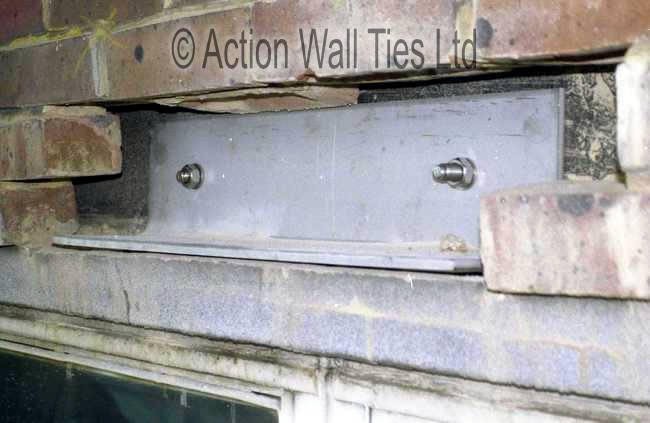
c. A wall tie deficiency was evident.
AWT completed a remedial scheme, providing a viable repair by the introduction of 10mm stainless steel reinforcement to the concrete toe, remedial wall ties and general brick repairs. Establishing our reputation as a quality concrete repair company.

Making good and pointing: AWT operatives are highly skilled in traditional building methods and always attempt to match replacement bricks, pointing styles and mortar colour to be sympathetic with the existing building.
Action Wall Ties (AWT) are a specialist concrete repair company, working with concrete, and offering masonry reinforcement and repair, providing professional solutions to a wide variety of structural problems. Contact us on 01227 721 255, or email us to discuss your concrete and masonry cracks and issues for a quote and simple quick and reliable solution.
Our specialist structural repair contractors will be happy to help provide a comprehensive and permanent repair to your structural problems.